
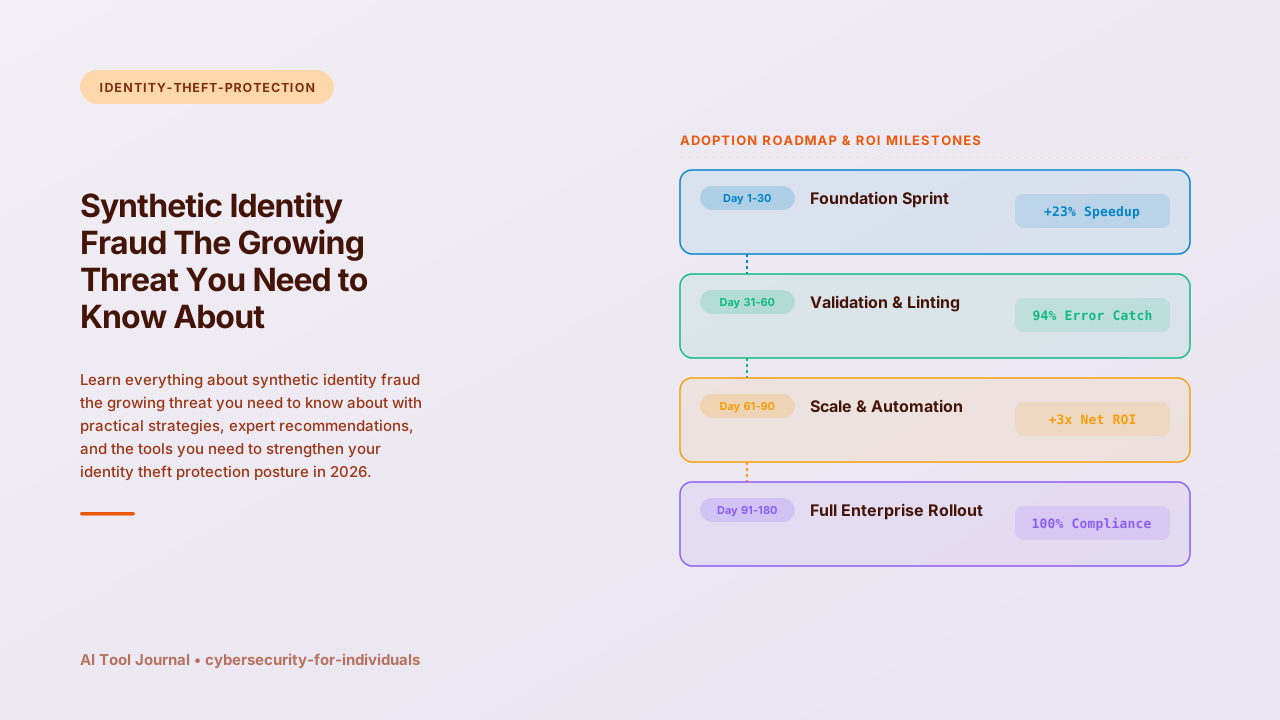
Synthetic Identity Fraud The Growing Threat You Need to Know About has become one of the most important areas of cybersecurity in 2026. With threats evolving faster than ever and organizations facing increasingly sophisticated attacks, understanding and implementing strong synthetic identity fraud the growing threat you need to know about practices is no longer optional. It is a necessity.
This focused guide covers the key aspects of synthetic identity fraud the growing threat you need to know about. We will explore practical strategies, compare leading tools, and give you actionable steps you can implement today.
Understanding Synthetic Identity Fraud The Growing Threat You Need to Know About
Synthetic Identity Fraud The Growing Threat You Need to Know About encompasses a range of practices and technologies designed to protect organizations and individuals from modern cyber threats. At its core, it focuses on credit freeze, credit monitoring, dark web monitoring, and related security measures.
Key components of synthetic identity fraud the growing threat you need to know about include:
- Credit Freeze — a critical element that addresses specific security challenges and reduces overall risk exposure
- Credit Monitoring — a critical element that addresses specific security challenges and reduces overall risk exposure
- Dark Web Monitoring — a critical element that addresses specific security challenges and reduces overall risk exposure
- Fraud Alerts — a critical element that addresses specific security challenges and reduces overall risk exposure
- Identity Restoration — a critical element that addresses specific security challenges and reduces overall risk exposure
Understanding these components helps you build a complete identity theft protection strategy that addresses threats from multiple angles.
Why Synthetic Identity Fraud The Growing Threat You Need to Know About Matters in 2026
The numbers paint a clear picture of why synthetic identity fraud the growing threat you need to know about deserves your attention and investment in 2026:
- 15 million Americans are victims of identity theft annually. This statistic underscores the scale of the challenge organizations face today.
- Identity theft costs $52B per year. This statistic underscores the scale of the challenge organizations face today.
- Average recovery time is 200+ hours. This statistic underscores the scale of the challenge organizations face today.
- Synthetic identity fraud grew 85% in 2025. This statistic underscores the scale of the challenge organizations face today.
Beyond the statistics, synthetic identity fraud the growing threat you need to know about is crucial because the threat landscape is evolving. Attackers are using artificial intelligence to craft more convincing attacks, automate reconnaissance, and evade traditional defenses. Organizations that fail to adapt will find themselves increasingly vulnerable.
Key Strategies for Synthetic Identity Fraud The Growing Threat You Need to Know About
Implementing effective synthetic identity fraud the growing threat you need to know about requires a multi-layered approach. Here are the key strategies that deliver the strongest results:
1. Credit Freeze
Credit Freeze is a foundational element of any identity theft protection program. When implemented correctly, it significantly reduces your attack surface and makes it harder for threat actors to succeed. Organizations should prioritize credit freeze as part of their overall security strategy.
2. Credit Monitoring
Credit Monitoring is a foundational element of any identity theft protection program. When implemented correctly, it significantly reduces your attack surface and makes it harder for threat actors to succeed. Organizations should prioritize credit monitoring as part of their overall security strategy.
3. Dark Web Monitoring
Dark Web Monitoring is a foundational element of any identity theft protection program. When implemented correctly, it significantly reduces your attack surface and makes it harder for threat actors to succeed. Organizations should prioritize dark web monitoring as part of their overall security strategy.
Practical Guide and Recommendations
Here are the practical steps and recommendations for synthetic identity fraud the growing threat you need to know about:
| Action | Priority | Impact |
|---|---|---|
| Evaluate LifeLock and Aura | High | Immediate improvement |
| Implement Credit Freeze | High | Foundation building |
| Configure Credit Monitoring | Medium | Risk reduction |
| Train staff on new procedures | Medium | Human layer defense |
| Schedule quarterly reviews | Low | Continuous improvement |
Start with the high-priority actions and work your way down. Even implementing just the first two items will significantly improve your identity theft protection posture.
Conclusion
Synthetic Identity Fraud The Growing Threat You Need to Know About requires ongoing attention and commitment. The threat landscape shifts constantly, and what worked last year may not be enough in 2026. The strategies and tools covered in this guide give you a solid foundation to build on.
Start with the basics: assess your current posture, identify gaps, and prioritize the highest-impact improvements first. Even small steps toward better synthetic identity fraud the growing threat you need to know about make a real difference.
For more on this topic, explore our Cybersecurity for Individuals section. Stay informed, stay protected, and take action today.